
The World Trade Cup: A New Game Lets Anyone Play the World Cup with Trade Data
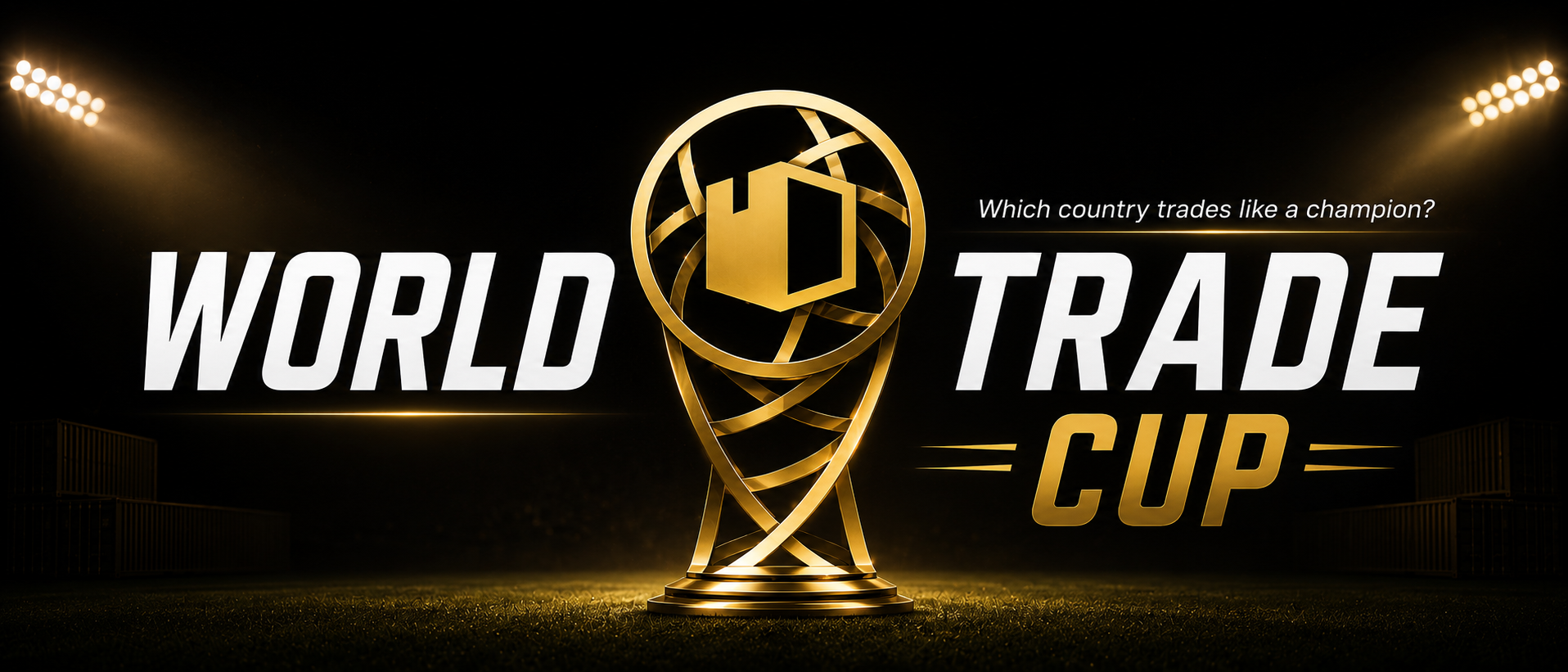
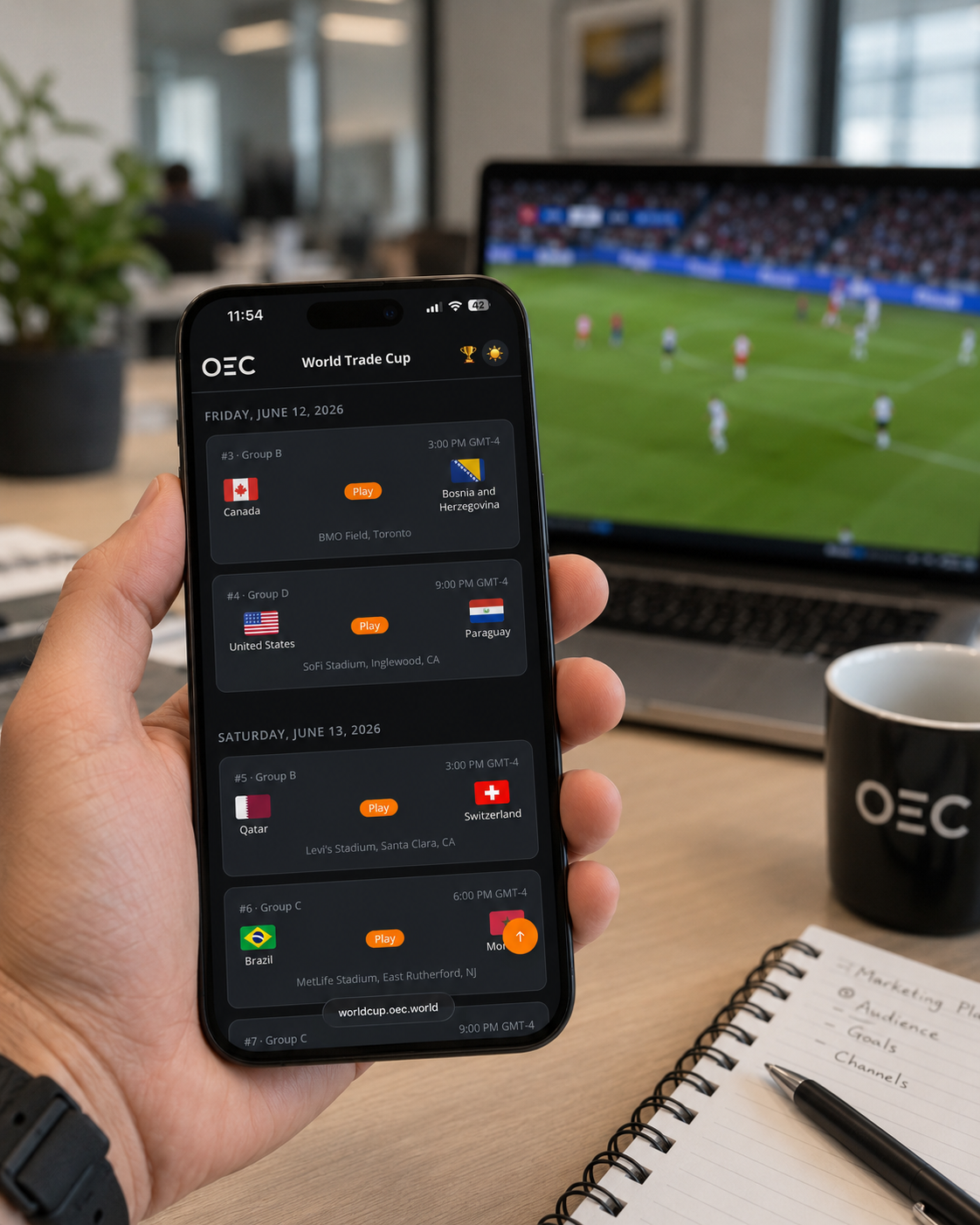
A new online game launching today invites football fans and data buffs to play the World Cup in an entirely new way: using trade data. The World Trade Cup (worldcup.oec.world) turns the tournament into a series of matches between competing nations, challenging players to guess who sells more of what to whom.
The mechanic is simple. In each match between two World Cup competitors, players are shown six products. For each one, they have to guess which of the two countries exports more of that product to the other. Correct guesses score "goals"; wrong ones are "misses." When Mexico plays South Africa, who exports more vehicles to the other? When Argentina plays Saudi Arabia, who ships more beef, or oil? The answers teach players about the patterns of comparative advantage and economic development that shape the global economy.
"Trade is one of the most powerful forces shaping the modern world, but many people have outdated ideas about which countries are good at what products. The World Trade Cup turns trade data into a fun way to update your views about the global economy," said César A. Hidalgo, creator of the Economic Complexity Index, professor at the Toulouse School of Economics, and director of the Center for Collective Learning.
The World Trade Cup is built by the Observatory of Economic Complexity (OEC.world), one of the most widely used platforms for international trade visualization, in collaboration with the Center for Collective Learning (CCL), an interdisciplinary research laboratory with offices at the Toulouse School of Economics and Corvinus University of Budapest, and the Technology and Industrialization for Development (TIDE) Centre at Oxford University. The game draws on data available at the OEC, which has been used in several projects focused on economic complexity, development, and global supply chains.
“By turning complex global trade dynamics into an interactive and accessible experience, the World Trade Cup reflects exactly the kind of public engagement we need around trade data and economic transformation. At TIDE, we believe economic knowledge should not remain confined to experts and policymakers. This partnership with OEC helps bring trade issues to wider audiences in a way that is engaging, educational, and globally relevant,” said Amir Lebdioui, Director of the TIDE Centre at the University of Oxford.
Players need no prior knowledge of economics. The game is designed to teach by surprise. Each match becomes a small lesson in how countries specialize, what they produce, and how the geography of trade shapes everything from foreign policy to the cost of everyday goods.
The World Trade Cup is free, requires no signup, and works on both desktop and mobile.
About the Observatory of Economic Complexity (OEC). The OEC (oec.world) is a global leader in the visualization and distribution of international trade data. It is used by journalists, researchers, policymakers, and educators worldwide.
About the Center for Collective Learning (CCL). The CCL studies how teams, cities, and nations learn, forget, and turn knowledge into value. CCL is an international research laboratory with offices at the Toulouse School of Economics and Corvinus University of Budapest.
About the Technology and Industrialization for Development (TIDE) Centre. The TIDE Centre is a multidisciplinary research hub within the Oxford Department of International Development. TIDE explores the complex relationships between trade, investment, technology, industrialisation, and innovation in the context of development.
